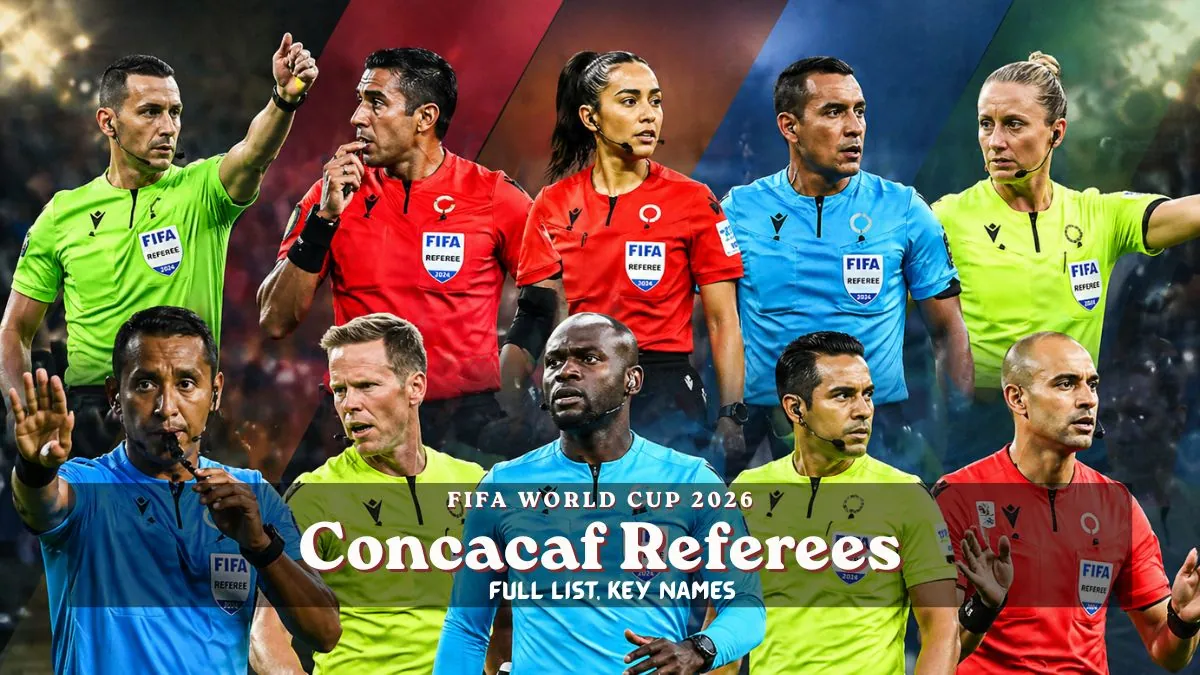
FIFA and Concacaf have officially confirmed the match officials for the FIFA World Cup 2026, and the region has landed a record-breaking share of the appointments. On April 10, 2026, Concacaf announced that 29 match officials from the confederation had been selected for the tournament. Concacaf Referees for FIFA World Cup 2026 including nine referees, 15 assistant referees, and five video match officials. FIFA’s wider appointment for the tournament includes 52 referees, 88 assistant referees, and 30 video match officials overall.
For fans, this matters more than it may first appear. World Cup referees do not just enforce the rules; they shape the rhythm, temperature, and fairness of the biggest games in world football.
Sending a strong officiating team to a World Cup shows trust, solid preparation, and a focus on long-term growth. Concacaf’s 2026 lineup stands out, highlighting both the region’s depth and its rising international presence.
For the 2026 FIFA World Cup, Concacaf referees will represent much more than just North, Central America, and the Caribbean. They will also stand as a symbol of the region’s growing football power, especially with the United States, Mexico, and Canada serving as co-hosts.
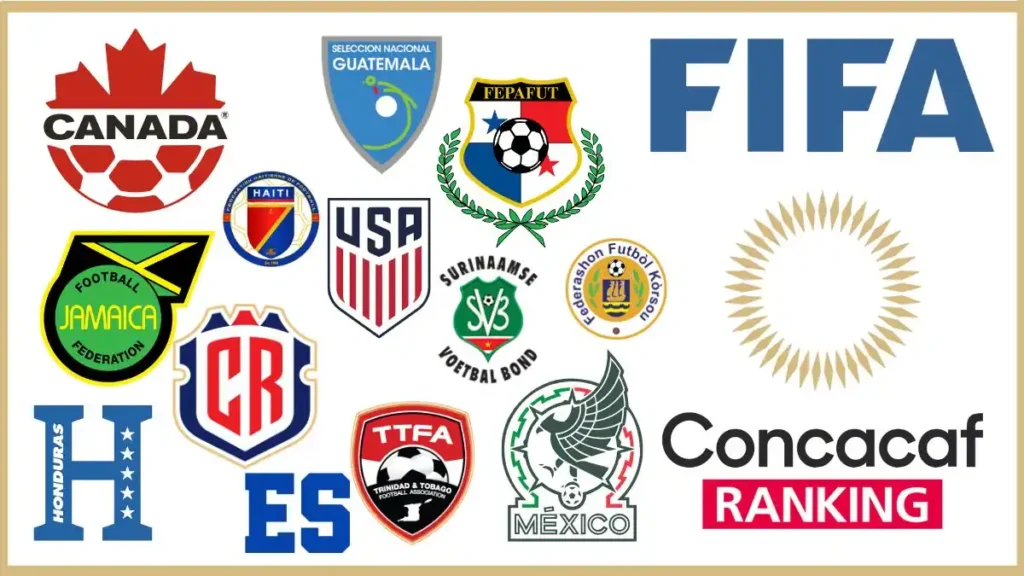
Alongside the three hosts, Concacaf will also be represented by direct qualifiers Curaçao, Haiti, and Panama, taking the total number of qualified teams from the region to six.
Full list of Concacaf referees for FIFA World Cup 2026
Here are the nine Concacaf referees officially selected for the tournament:
- Ivan Barton — El Salvador.
- Juan Calderón — Costa Rica.
- Ismail Elfath — United States.
- Drew Fischer — Canada.
- Katia García — México.
- Héctor Said Martínez — Honduras.
- Oshane Nation — Jamaica.
- Tori Penso — United States.
- César Ramos — México.
This is a strong and balanced group, covering North America, Central America, and the Caribbean. It also includes some of Concacaf’s most recognizable officials, alongside landmark selections that will be remembered for years.
Why is this referee list historic in the 2026 FIFA World Cup?
Concacaf says this is the largest number of match officials from the region ever selected for a FIFA World Cup. The previous edition in 2022 had 19 Concacaf match officials; for 2026, that number has jumped to 29. That alone shows how much progress the region has made in referee development.
One of the most important storylines is Oshane Nation’s selection. Concacaf highlighted that he becomes the first Caribbean referee selected for a men’s FIFA World Cup since 2002, which gives Jamaica and the wider Caribbean a major moment of representation on the global stage.
Another milestone: Drew Fischer and his assistant referees will form the first-ever Canadian trio appointed to a FIFA World Cup, according to Concacaf. For Canadian fans, that is a huge sign of the country’s growing influence in world football beyond just the player and coaching side.
There is also a breakthrough on the women’s side. Concacaf noted that all six women match officials selected for the FIFA World Cup 2026 represent Concacaf. That is a powerful statement about the depth of women’s refereeing in the region and a good sign for the future of elite officiating.
Why FIFA chose these officials
FIFA says the selection process took place over more than three years and followed its “quality first” principle, with appointments based on performance, consistency, and strong work in international and domestic competitions. In other words, this is not about reputation alone; it is about proven reliability at the highest level.
That matters because the 2026 World Cup is going to be enormous. FIFA has confirmed that the tournament will feature 48 teams and 104 matches across the three host countries. More matches means more pressure on referees, more travel, more game management, and more scrutiny. That makes the official appointment pool even more important than usual.
Concacaf’s officiating department has been working toward this moment for years. FIFA’s refereeing pages also make clear that elite refereeing development is treated as a long-term project, not a one-off selection exercise. That is exactly why tournaments of this size reward federations that invest early and consistently in referee education.
Concacaf Referees for FIFA World Cup 2026: The Names Fans Should Know
From a fan perspective, a few of these referees are especially important to watch.
César Ramos and Ivan Barton are among the most experienced and widely recognized officials in the region. Ismail Elfath has been a major name for years in U.S. officiating. Tori Penso and Katia García are also standout selections in a group that reflects both quality and diversity.
Juan Calderón, Héctor Said Martínez, and Oshane Nation add further geographic balance, while Drew Fischer gives Canada a landmark presence at the tournament. Together, these officials represent a region that is no longer just supplying players to the World Cup — it is supplying the people who control the game itself.
Why this is a big moment for Concacaf
This appointment is a confidence boost for the whole confederation. When FIFA trusts a region with a record number of officials, it suggests that the talent pipeline is working. It also means Concacaf is now being judged as a serious source of top-level refereeing, not just a developing one.
For readers searching this topic, the key takeaway is simple: the Concacaf referee group for the 2026 FIFA World Cup is bigger, stronger, and more historic than ever before. It includes veteran officials, landmark appointments, and a deeper regional footprint than any previous World Cup cycle.
The bigger picture
The World Cup always belongs to the players, but referees can decide whether the tournament feels smooth, fair, and credible. Concacaf’s 2026 referee list shows that the region is ready for that responsibility. With nine referees, a record 29 total match officials, and several historic firsts, this is one of the most important officiating announcements in Concacaf’s World Cup history.