


You need to know everything about the American Soccer Revolution from 1996 to 2025. Major League Soccer (MLS), at the top of the United States soccer league system, has evolved from a struggling startup to one of the best global hubs of soccer leagues. How is it possible?
Major League Soccer (MLS) has grown from a 10-team experiment in 1996 into a 30-team nationwide league by 2025. Driven by stadium investment, high-profile owners, and new media deals, MLS has become one of the fastest-growing sports properties in North America.
This guide breaks down the league’s key milestones, estimated expansion fees, attendance and revenue trends, top-player signings, and what to watch next — tailored for a U.S. audience and optimized for search.
Major League Soccer: Growth, Expansion Fees, Financial Structure, Infrastructure & History (1996–2025)

MLS in 2025 represents soccer’s most ambitious growth story, transforming from a struggling startup to the world’s 9th-ranked league. With 30 teams, world-class infrastructure, and global superstars like Messi leading the charge, Major League Soccer has established itself as a legitimate force in world football.
The league’s unique blend of American innovation and global soccer tradition continues to attract talent, investment, and attention from around the world, positioning MLS for continued growth throughout the remainder of the decade.
Major League Soccer Quick Facts (1996–2025)
| Founding Year | Teams (2025) | Typical Attendance | Primary Growth Drivers |
|---|---|---|---|
| 1996 | 30 | Top markets: 20,000–40,000 | Stadiums, ownership groups, media & sponsorships |
The Foundation and Evolution (1996-2025)
Major League Soccer began as an ambitious experiment in 1996 with just 10 founding teams, born from the United States’ commitment to FIFA for hosting the 1994 World Cup. What started as a survival story has transformed into one of sports’ greatest growth narratives.
Major League Soccer Key Milestones:
- 1996: League launches with 10 teams, including LA Galaxy, Columbus Crew, and DC United
- 1998: Expansion to 12 teams with the Chicago Fire and the Miami Fusion
- 2002: Contraction to 10 teams after financial struggles
- 2005: Resumption of expansion with Real Salt Lake and Chivas USA
- 2007: International expansion with Toronto FC joining from Canada
- 2015-2025: Massive growth phase from 18 to 30 teams
| Year | Teams | Major Development | Notes |
|---|---|---|---|
| 1996 | 10 | League launched (LA Galaxy, DC United, Columbus Crew, etc.) | Founding season |
| 1998 | 12 | Early expansion: Chicago Fire, Miami Fusion | Initial growth phase |
| 2002 | 10 | Contraction — league consolidation | Rebuilding period |
| 2005 | 12+ | New clubs added (Real Salt Lake, Chivas USA) | Return to expansion |
| 2007 | 13 | Toronto FC joins — first Canadian club | International expansion |
| 2015 | 20 | NYCFC & Atlanta United boost attendance & profile | Stadium-driven success |
| 2020 | 26 | Nashville SC, Inter Miami highlight elite ownership | High-profile investment era |
| 2025 | 30 | San Diego FC and others complete the 30-team roster | Peak expansion phase (to date) |
Expansion Fees – Year-by-Year (Estimated)
| Year | Teams | Major Development | Expansion Fee (approx.) |
|---|---|---|---|
| 1996 | 10 | League foundation | $5M |
| 1998 | 12 | First expansion (Chicago Fire, Miami Fusion) | $5–20M |
| 2007 | 13 | First Canadian team (Toronto FC) | $10M |
| 2015 | 20 | NYCFC & major growth phase | $100M |
| 2020 | 26 | Nashville SC & Inter Miami era | $150M |
| 2025 | 30 | San Diego FC completes expansion | $325M+ |
Why Expansion Fees Have Risen?
Top MLS clubs regularly post average attendances in the 20k–40k range, depending on stadium capacity. Media fragmentation (regional sports networks + streaming) has shifted viewership but created new monetization paths. Sponsorships, local partnerships, and growing merchandise sales are stabilizing club income.
Several structural and market forces explain the rapid rise in fees:
- Stadium economics: Clubs with soccer-specific, privately financed stadiums generate higher matchday revenue and corporate hospitality income.
- High-net-worth owners: Tech founders, sports investors and celebrities see MLS clubs as long-term assets.
- Media & streaming growth: National rights and streaming partnerships have increased league valuations and predictable revenue streams.
- Brand & marketing value: MLS visibility has improved via designated-player signings and marketing tie-ins.
Financial Structure and Salary Cap System
MLS operates under a unique salary cap system designed to maintain competitive balance while allowing strategic investments in star players.
2025 Financial Framework:
- Team Salary Budget: $5,950,000
- Maximum Individual Salary Budget Charge: $743,750
- Senior Minimum Salary: $104,000
- Reserve Minimum Salary: $80,622
- Designated Player Slots: Up to 3 per team
- U22 Initiative Slots: Encourage young international talent
The Designated Player Rule, introduced in 2007 for David Beckham, allows teams to sign marquee players outside the salary cap. This mechanism enabled MLS to attract global superstars like Thierry Henry, Andrea Pirlo, Frank Lampard, Carlos Vela, and most recently, Lionel Messi.
Top Players & Talent Pipeline
- Designated Players: High-profile signings attract fans and media attention.
- Academies & Homegrown Talent: MLS academies are producing sellable talent, creating a developer-club model.
- Transfer Strategy: Smart recruitment and player sales toward European markets are becoming a sustainable revenue channel.
The Messi Effect and Global Recognition
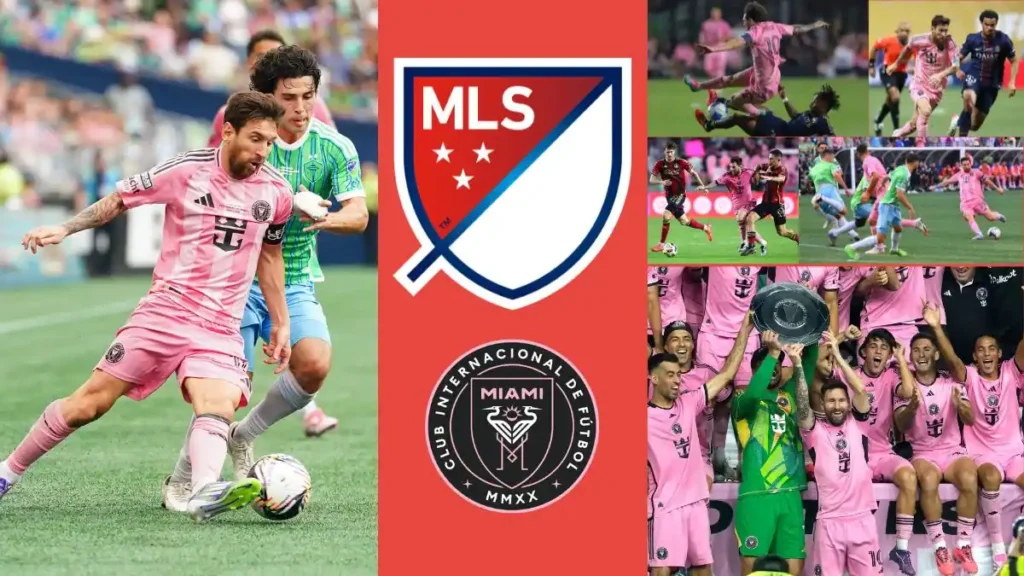
Lionel Messi’s arrival at Inter Miami in July 2023 represented a watershed moment for MLS. The eight-time Ballon d’Or winner’s impact extends far beyond the pitch:
Commercial Impact:
- MLS Season Pass subscriptions increased 300% following Messi’s debut
- Inter Miami merchandise became the fastest-selling in MLS history
- International broadcast audiences reached record levels
- Apple TV’s MLS partnership gained global significance
On-Field Success:
- Inter Miami won the 2024 Supporters’ Shield with a record 74 points
- Messi’s 36 goals and assists combined led to unprecedented MLS visibility
- International friendlies featuring Messi drew capacity crowds nationwide
MLS Infrastructure and Stadium Development

MLS has invested heavily in soccer-specific stadiums, moving away from shared American football venues that characterized the early years.
Stadium Evolution:
- 1996: Most teams played in NFL/CFL stadiums
- 2025: 26 of 30 teams play in soccer-specific venues
- Average Capacity: 25,000 (optimized for atmosphere and fan experience)
- Notable Venues: Mercedes-Benz Stadium (Atlanta), BMO Stadium (LAFC), Allianz Field (Minnesota)
Youth Development and Homegrown Talent
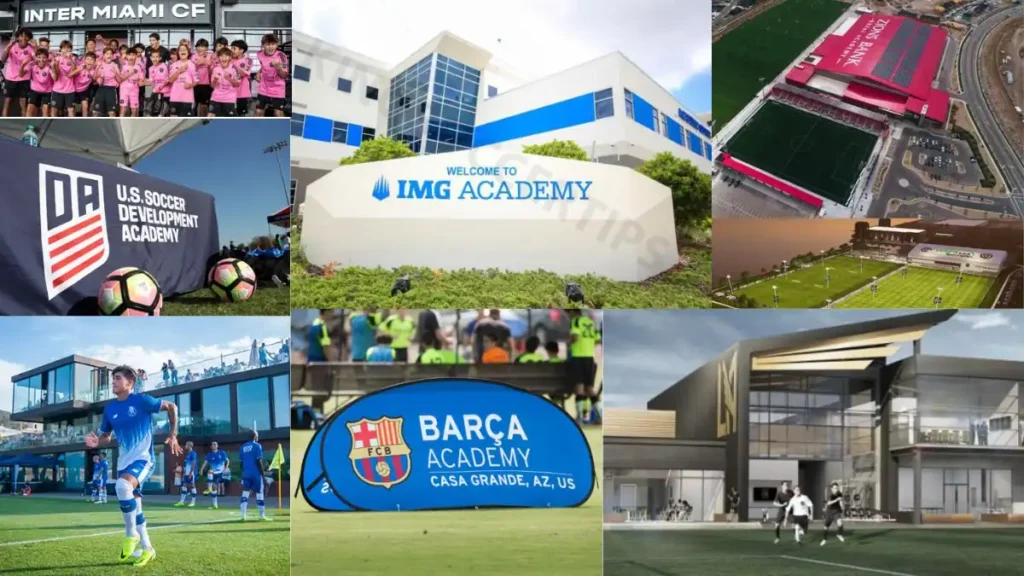
MLS has significantly improved its youth development Soccer learning center infrastructure through:
Academy System:
- Every MLS team now operates a professional academy
- The Generation Adidas program provides college scholarships
- Homegrown Player Rule incentivizes local talent development
- MLS Next Pro serves as the official reserve league
Success Stories:

- Christian Pulisic (FC Dallas academy to Chelsea)
- Tyler Adams (New York Red Bulls to European success)
- Folarin Balogun (NYCFC academy to USMNT)
Comparison with Global Leagues
According to Opta Power Rankings, MLS ranks as the 9th strongest league globally with an average club rating of 78.2, placing it:
Above:
- Saudi Pro League (26th, 72.0 rating)
- Chinese Super League
- Argentine Primera División (11th, 78.6 rating)
Notable Achievements:
- Fourth-highest average attendance among major North American sports leagues
- Fastest-growing soccer league in terms of expansion and investment
- Most diverse league with players from over 75 countries
Major League Soccer Challenges and Future Outlook
Despite remarkable growth, MLS faces several challenges:
Current Limitations:
- Talent Depth: Star players are often surrounded by inconsistent supporting casts
- Tactical Sophistication: Still developing compared to European leagues
- International Recognition: Working to gain respect among global soccer communities
- Travel Demands: Vast geography creates unique logistical challenges
What to Watch (2026–2028)
- Renewal of national TV/streaming deals – could raise league valuations further.
- More stadium-led projects and local derbies are fueling fan engagement.
- Increased academy exports and international loan partnerships.
2025-2030 Goals:
- Achieve top-5 global league status
- Develop domestic talent capable of competing at the highest international levels
- Secure increased international broadcast partnerships
- Continue infrastructure improvements across all markets
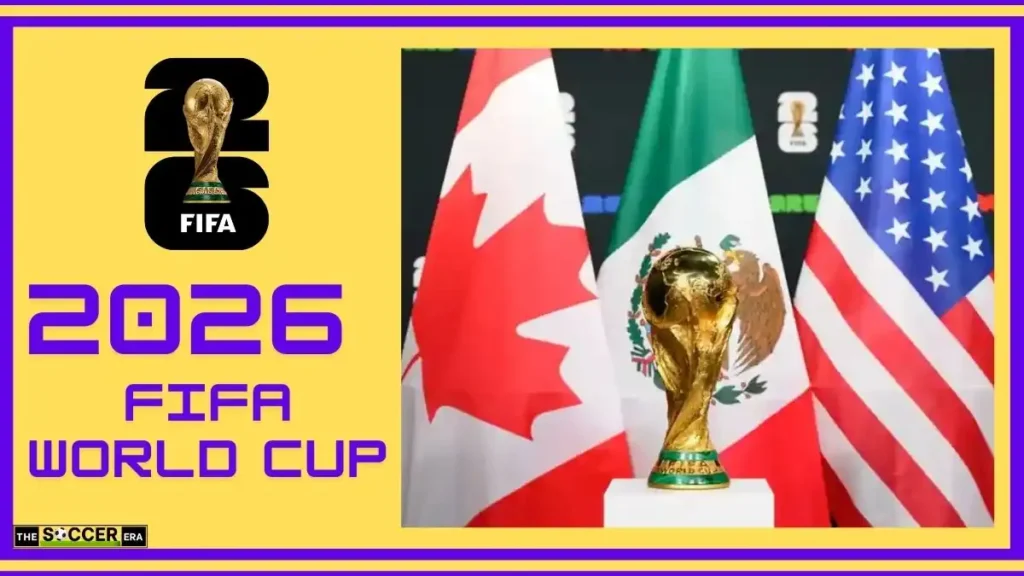
- 2026 FIFA World Cup host
- 2025 FIFA Club World Cup host
The Business Model Revolution of Major League Soccer (MLS)
MLS operates under a single-entity structure unique in world soccer:
Key Features:
- League owns all player contracts
- Salary cap ensures competitive balance
- Revenue sharing maximizes collective growth
- Expansion fees fund league-wide improvements
- Apple TV partnership provides a guaranteed revenue stream
This model has enabled sustainable growth while avoiding the financial pitfalls that have affected other leagues globally.
When was MLS founded, and how many teams are there now?
MLS launched in 1996 with 10 teams. By 2025, the league reached 30 teams.
What is the expansion fee of Major League Soccer?
An expansion fee is the amount a prospective ownership group pays to the league for the right to operate a new franchise. It compensates existing stakeholders and funds league-level investments.
Why are MLS expansion fees so high now?
High fees reflect stadium revenue potential, strong ownership demand, and improved media/sponsorship income that increase franchise valuations.