
The 2025-26 UEFA Champions League group stage is over, and the path to the final now leads through the fresh knockout bracket. Before the play‑offs and round of 16 get underway, every qualified team has one key task: locking in its squad list.
January transfers, returning loanees and academy promotions all have to be processed and registered with UEFA before a strict deadline.
For fans and Fantasy managers alike, this is the key moment when “new toys” become eligible for continental action.
This guide explains exactly how Champions League squad changes work for the 2025‑26 knockout phase, what the regulations say, and how they affect UCL Fantasy strategy.
2025‑26 Champions League Key dates and format
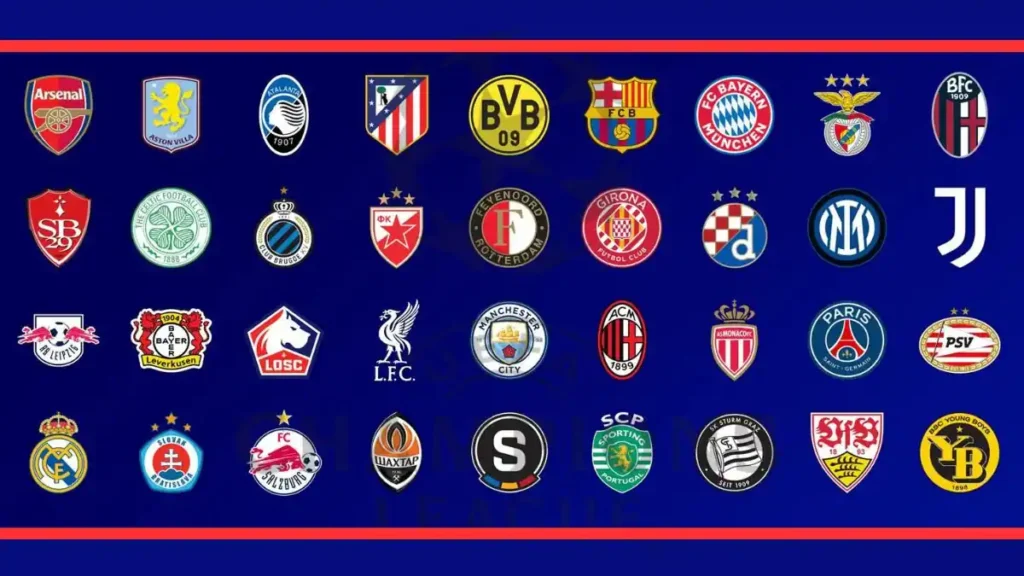
Under UEFA’s new format, the Champions League has:
- A league phase (8 matchdays) instead of the old group stage
- A knockout play‑off round, where teams finishing 9th–24th play two‑legged ties
- A round of 16, followed by quarter‑finals, semi‑finals and the final
For 2025‑26, the crucial administrative date is:
- 5 February 2026, 24:00 CET – deadline for clubs to submit their updated List A and List B squads for the knockout phase to UEFA.
Once UEFA approves all changes, the full “ins and outs” for each club are published on the official competition site.
The core rule: up to three new players on List A
After the league phase and before the knockout phase starts, each club may:
- Register up to 3 new eligible players on List A for the remaining matches of the competition.
Key points:
- These three players are usually January signings, but they can also be:
- Players returning from loans
- Players promoted internally who were not on List A during the league phase
- Registrations must respect the overall 25‑player limit on List A and the locally trained (homegrown) quota.
If adding new players pushes List A over 25 names, the club must remove other players to return to 25 while still meeting homegrown requirements.
No more “cup‑tied” rule
One of the most important modern changes is that the old “cup‑tied” rule has gone.
- Since 2018‑19, it no longer matters if a player has already appeared in UEFA club competitions for another team earlier in the season – even if that team is still in the same competition.
That means:
- A January signing can play in the Champions League knockouts for their new club even if they:
- Played in the Champions League group phase for a different club
- Featured in the Europa League or Conference League earlier in the campaign
The only conditions are that the player is otherwise eligible (properly registered with the national association, not suspended, work permit sorted, etc.) and the club has space within its three‑player quota (or the exceptional allowances below).
2025‑26 Champions League squad of knockout
| Arsenal Atalanta Atleti B. Dortmund Barcelona Bayern München | Juventus Leverkusen Liverpool Man City Monaco Newcastle |
| Benfica Bodø/Glimt Chelsea Club Brugge Galatasaray Inter | Olympiacos Paris Qarabağ Real Madrid Sporting CP Tottenham |
Exceptional cases: when clubs can add more than three players

UEFA regulations make an allowance for clubs in domestic leagues that start and finish in the same calendar year (for example, some Scandinavian or Eastern European competitions). In specific situations, those clubs can register more than three new players after the league phase:
- If more than five players on List A leave between the end of the league phase and the start of the knockout phase, the club may register four new players (instead of three).
- If more than seven List A players depart in this window, the club may register five new players.
These exceptional registrations:
- Must still be completed by 5 February 2026, 24:00 CET
- Must still respect the 25‑player cap and homegrown rules
- Can also include players who played earlier in UEFA competitions for another club.
For most Champions League giants (in leagues running August–May), only the standard three‑player limit applies.
List A vs List B: what about young players?
Every club submits two lists to UEFA:
- List A – up to 25 players, including at least 8 locally trained players
- List B – unlimited number of young players who meet academy‑training criteria
List B is more flexible:
- Clubs can add players to List B up until 24:00 CET the day before each match if they meet the criteria (age and training period with the club).
- Changes to List B do not use up any of the “three new players” quota on List A.
In practice, many promising teenagers and U‑23 regulars are added to List B during the season, opening the door for surprise inclusions in the knockout rounds without eating into the senior quota.
How January signings are integrated
For most clubs, the typical approach looks like this:
- Prioritise key arrivals
- Big‑money signings and players in positions of need are almost always registered on List A.
- Assess injured or surplus players
- Long‑term absentees or players out of favour are the likeliest to be removed from List A to free up spaces.
- Balance positions
- Coaches usually keep at least two goalkeepers, 8–9 defenders, 8–9 midfielders and 4–5 forwards, depending on tactical plans.
- Homegrown check
- The final list must still include the required number of club‑trained and association‑trained players, so some veterans or academy products are “protected” for regulatory reasons.
This is why some January signings, especially in deep squads, can be left out of the Champions League squad despite joining a knockout‑stage club.
Impact on UCL Fantasy: When do new signings become available?
For Fantasy managers, the key question is: when can these new signings be picked?
According to the official 2025‑26 Champions League Fantasy rules:
- You get unlimited free transfers:
- Before the knockout phase play‑offs
- Again, before the round of 16
- New players registered by clubs for the knockout phase are added to the game and become selectable ahead of those deadlines.
- The squad budget increases from 100m in the league phase to a higher limit (typically +5m) once the knockouts begin.
Updated club limits per stage (Fantasy)
The maximum number of players you can pick from one club rises as the tournament progresses:
- League phase: 3 per club
- Knockout play‑offs: 4 per club
- Round of 16: 4 per club
- Quarter‑finals: 5 per club
- Semi‑finals: 6 per club
- Final: 8 per club
So, January signings joining a heavy favourite (for example, a title contender likely to reach the latter rounds) can instantly become premium assets as soon as they’re added to the game.
Fantasy strategy: how to handle squad changes
Here are some practical angles for UCL Fantasy around the knockout squad updates:
1. Target guaranteed starters among new signings
Not every January arrival will walk straight into the XI. Focus on:
- Players filling a clear positional need (for example, a club that lacked a natural No. 9 or defensive midfielder in the league phase)
- Signings whose managers have clearly signposted them as first‑choice options in press conferences or early domestic games
Minutes are king in Fantasy; speculative rotation risks are less appealing in the tight knockout calendar.
2. Exploit price lags
New UCL Fantasy assets are often:
- Underpriced relative to their real‑world impact, especially if they emerged from smaller leagues or had modest group‑stage data with another club.
- Likely to pick up rapid ownership among engaged managers, so backing the right ones early can be a big rank booster.
Check the form in domestic league games immediately after the transfer and before the play‑off/round‑of‑16 deadline.
3. Use unlimited transfer windows aggressively
Because you have unlimited transfers before both the knockout play‑offs and the round of 16, you can:
- Short‑term punt on players with strong two‑leg fixtures in the play‑off
- Reset the squad for the round of 16 based on which clubs advance, plus any late‑confirmed injuries or suspensions
There is no need to “plan long term” through these two stages in the same way you might during the league phase.
4. Monitor squad announcements and omissions
The publication of final squads always throws up surprises:
- Big names left out due to injury, registration limits or tactical decisions
- Youth players promoted to List A or List B who may get cameo minutes
These omissions and inclusions can dramatically shift Fantasy ownership patterns, especially in defence and midfield rotations.
2025‑26 Champions League squad changes – Frequently asked questions

Can a January signing play if he already featured in the league phase for another club?
Yes. Under current UEFA rules, it does not matter if the player has already played in UEFA club competitions for another team during the same season.
Any or all of the players registered for the 2025‑26 Champions League knockout phase may have been fielded for another club in the qualifying rounds, play‑offs or league phase of the Champions League, Europa League or Conference League.
How many new players can each club add?
- Normally, up to three new eligible players on List A, all registered by 5 February 2026, 24:00 CET.
- In certain calendar‑year domestic leagues that lose many List A players, this can rise to four or five under the specific conditions set out in Article 32.02.
Do injured players after the deadline allow extra changes?
In principle, once the deadline has passed, squads are “locked in” except for specific injury‑replacement provisions later in the regulations (typically limited to long‑term injuries and goalkeepers, and always subject to UEFA approval).
Clubs cannot freely swap players in and out beyond those tightly defined scenarios, so the main window for structural changes is before 5 February.
How soon will Fantasy reflect the new squads?
UEFA updates the Champions League Fantasy player pool once all squad changes are approved and published. New signings are normally available ahead of the first knockout‑phase Fantasy deadline, in time for managers to use their unlimited transfers.
Final word
For clubs, Champions League squad changes before the knockout phase are about fine‑tuning: shoring up weak spots, integrating marquee January arrivals and ensuring regulatory compliance with List A and List B rules.
For fans – and especially UCL Fantasy managers – they mark the moment when winter transfer headlines become concrete tactical options.
Understanding the three‑player quota, the absence of the cup‑tied rule, and the timings of unlimited transfers in Fantasy provides a clear edge.
As the 24 qualified teams lock in their lists, keep a close eye on who makes the final cut – and be ready to react before the first ball of the knockout phase is kicked.