
The February 2026 transfer window officially closed on Monday, February 2, 2026, at 7:00 PM GMT, concluding a winter transfer period that proved significantly quieter than the record-breaking summer of 2025.
While the summer window saw Premier League clubs spend over £3 billion, the January-February window witnessed more strategic, targeted acquisitions with emphasis on addressing specific squad gaps rather than wholesale overhauls.
The deadline day proved frantic for several clubs, with Crystal Palace orchestrating a remarkable dual-pronged attacking strategy, Manchester City consolidating their title pursuit, and Fulham suffering a significant last-minute disappointment.
Medical concerns unexpectedly complicated one high-profile deal, while managerial decisions and replacement requirements shaped the final hours of activity.
Complete January-February 2026 Transfer Window Summary
The February 2026 transfer window closed as scheduled at 7:00 PM GMT on Monday, February 2, demonstrating that winter recruitment in modern football balances strategic necessity against financial prudence.
Manchester City’s title-defending consolidation, Crystal Palace’s complex attacking restructuring, West Ham’s survival gamble, and Fulham’s near-miss on Pepi defined the window’s narrative arc.
Medical complications unexpectedly delayed Mateta’s Milan move into potential post-window limbo, while PSV’s refusal to release Pepi without succession planning reflected the heightened sophistication of modern squad management across Europe.
With the summer 2026 transfer window now the focus—and with the FIFA World Cup concluding in summer 2026—clubs will assess January-February activity’s impact during the season’s final months before embarking on more significant summer rebuilds.
| Rank | Transfer Deal | Clubs | Fee | Position | Status |
|---|---|---|---|---|---|
| 1 | Antoine Semenyo | Bournemouth → Man City | £64 million | Winger | Completed |
| 2 | Jørgen Strand Larsen | Wolves → Crystal Palace | £43m + £5m add-ons | Striker | Deadline Day |
| 3 | Lucas Paqueta | West Ham → Flamengo | £36.5 million | Midfielder | Outgoing |
| 4 | Jean-Philippe Mateta | Crystal Palace → AC Milan | €30m (£26m) | Striker | Pending/Medical Issues |
| 5 | Brennan Johnson | Tottenham → Crystal Palace | £35 million | Winger | Completed |
| 6 | Marc Guehi | Crystal Palace → Man City | £20 million | Centre-Back | Completed |
| 7 | Conor Gallagher | Atletico Madrid → Tottenham | £34 million | Midfielder | Completed |
| 8 | Taty Castellanos | Lazio → West Ham | £25.2 million | Striker | Completed |
| 9 | Oscar Bobb | Man City → Fulham | £27 million | Winger | Completed |
| 10 | Tammy Abraham | Besiktas → Aston Villa | £18.2 million | Striker | Completed |
| 11 | Ricardo Pepi | PSV → Fulham | ~£27.8m (€35m) | Striker | Deal Collapsed |
| 12 | Rayan | Vasco da Gama → Bournemouth | £30.3 million | Winger | Completed |
| 13 | Pablo Felipe | Gil Vicente → West Ham | £20 million | Defender | Completed |
| 14 | Adama Traore | Fulham → West Ham | Undisclosed | Winger | Completed |
| 15 | Alex Toth | Ferencvaros → Bournemouth | £13 million | Midfielder | Completed |
Key Deadline Dates:
- Window Opened: January 1, 2026
- Window Closed: February 2, 2026, at 7:00 PM GMT
- AFCON Concluded: January 18, 2026
Manchester City: Defensive & Attacking Consolidation
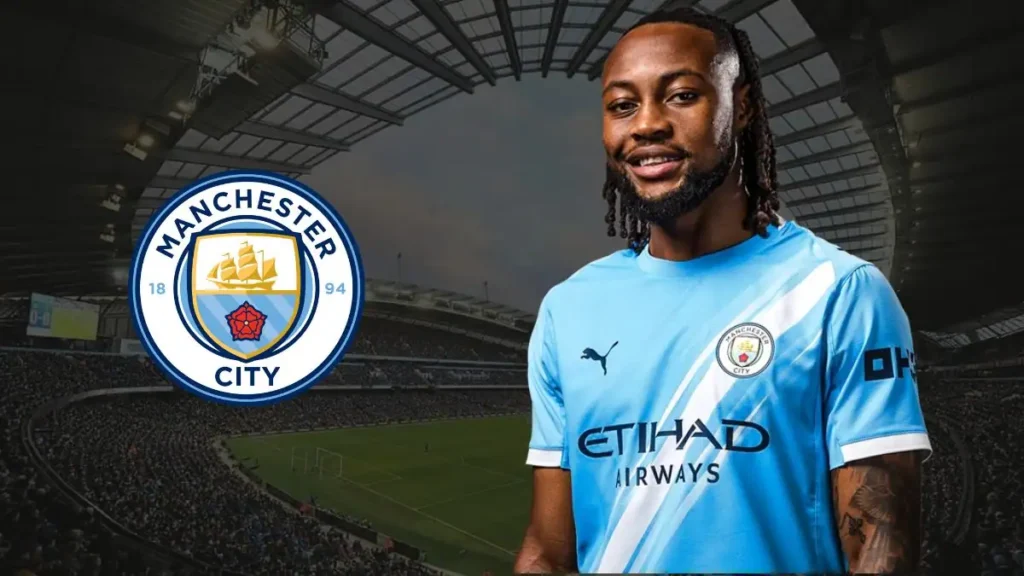
Manchester City seized the January-February window as an opportunity to strengthen their title-challenging squad with two strategic acquisitions totaling £84 million.
Antoine Semenyo’s arrival from Bournemouth for £64 million represented a statement of intent, activating his release clause to address winger depth following concerns about squad fatigue in attacking areas. Antoine Semeny is now the most expensive 2026 Transfer Window player yet.
The arrival of Marc Guehi from Crystal Palace for £20 million proved a bargain by summer standards. Crystal Palace had rejected approximately £35 million for the England international in summer 2025, but his contract expiration in summer 2026 forced a reckoning. Manchester City acquired a legitimate centre-back alternative at a fraction of summer valuations, with Pep Guardiola clearly confident in Guehi’s ability to compete for places.
Guehi’s arrival also represents a long-term strategy shift. At 24 years old with his contract expiring soon, Guehi can be developed into a potential replacement for aging defenders like John Stones (whose own contract expires in summer) and Nathan Ake (30 years old).
Manchester City’s summer investments at full-back and now centre-back suggest Guardiola is planning for succession planning in defence.
These signings kept Manchester City active but not desperate—reflecting their continued title competitiveness while strengthening depth for the closing months of the season.
Crystal Palace: Dramatic Deadline Day Activity
Crystal Palace orchestrated one of the most complex transfer sequences of the window, executing a carefully choreographed three-act drama involving departures, arrivals, and last-minute negotiations.
Marc Guehi’s departure to Manchester City for £20 million on January 19 represented Crystal Palace’s biggest blow of the window. The club captain’s exit left a significant void, prompting manager Oliver Glasner to initiate replacement plans immediately.
Jean-Philippe Mateta’s situation exemplified the complexity of modern football. The French striker attracted serious interest from AC Milan, with a deal framework agreed for €30 million (£26 million). Milan offered a three-and-a-half-year contract worth £3 million per year after tax—a lucrative proposal positioning Mateta closer to France’s World Cup squad following his limited playing time at Palace.
However, Palace’s reluctance to greenlight Mateta’s departure without a replacement created a domino effect. Glasner’s strategy was clear: Mateta cannot leave without securing an immediate attacking reinforcement to maintain squad depth and goal-scoring potential.
Jørgen Strand Larsen’s acquisition from Wolverhampton became the lynchpin. Negotiations proved complex due to add-ons and payment terms, with Wolves initially demanding £50 million. Palace negotiated this down to £43 million upfront with £5 million in performance-related bonuses (potentially totaling £48 million), with Strand Larsen scheduled for a medical on deadline day Monday to confirm the move.
Brennan Johnson’s arrival from Tottenham for £35 million presented another critical acquisition. Tottenham had signed Johnson in the summer of 2024, but the young winger struggled for consistency, averaging less than one goal every three matches. Crystal Palace identified an opportunity to acquire a promising talent in need of rejuvenation, while Tottenham benefited from financial flexibility and squad rotation.
The interconnected nature of these transfers—Johnson arrives, Strand Larsen replaces Mateta, Mateta departs to Milan—demonstrates Palace’s sophisticated planning. Yet Mateta’s proposed Milan move faced dramatic complications. During deadline day medical examinations, AC Milan’s doctors identified concerns with Mateta’s knee linked to a previous injury suffered at Mainz in 2019. Milan’s medical staff required a comprehensive assessment before proceeding, casting uncertainty over whether the club would greenlight the transfer despite agreement in principle.
By deadline day evening (7 PM GMT on February 2), the Mateta-Milan deal remained in limbo, with Milan’s decision hanging on medical clearance. Palace had prepared for multiple scenarios: Mateta stays, Strand Larsen becomes their fourth striker option; Mateta leaves and Strand Larsen directly replaces him; or Strand Larsen compensates for Mateta’s absence while the French striker recovers in terms of contract security.
West Ham’s Survival Gamble
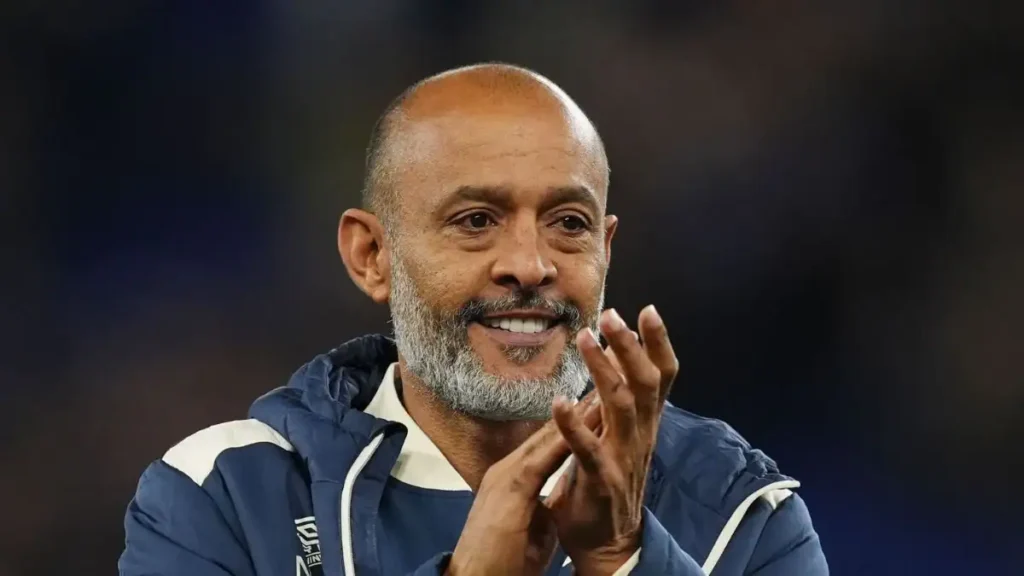
With West Ham sitting in the relegation zone, manager Nuno Espírito Santo pursued an aggressive squad overhaul to accumulate enough points to avoid the drop. The Hammers executed multiple attacking and defensive signings within 48 hours of the deadline.
Taty Castellanos (£25.2 million from Lazio) arrived as a proven goal scorer, while Pablo Felipe (£20 million from Gil Vicente) provided defensive reinforcement. Adama Traore’s acquisition from Fulham—announced as “undisclosed” but understood to be a modest fee—provided the winger with experience and pace for the relegation battle.
However, these acquisitions followed significant departures. Lucas Paqueta’s exit to Flamengo for £36.5 million represented a rare sale of a valuable midfielder during a survival struggle. Luis Guilherme’s loan move to Sporting (£17.5 million) and Niclas Fullkrug’s loan to AC Milan provided further outgoings, suggesting West Ham were trading squad depth for survival-focused acquisitions.
The strategy was clear: improve immediate output with attacking signings while accepting squad thinness elsewhere. Whether this gambit succeeds will determine West Ham’s season.
Fulham’s Failed Ambition
Fulham’s pursuit of Ricardo Pepi from PSV represented perhaps the window’s most compelling narrative. The American striker had been phenomenal in the Dutch league, and Fulham recognized an opportunity to secure a young, hungry talent before summer when valuations would rise.
Negotiations progressed promisingly through January, with Fulham improving bids from initial rejection (£26 million) through multiple advances, eventually reaching approximately €35 million (£27.8 million) by deadline day. Pepi himself was open to the move, and personal terms appeared settled.
However, PSV refused to release Pepi without identifying and securing a replacement. As the February 2nd deadline approached, PSV’s inability to arrange their own succession planning meant they couldn’t justify losing their primary attacking weapon mid-season. The deal was “called off” on deadline day, leaving Fulham disappointed despite aggressive pursuit and near-misses across multiple bid increments.
This deal exemplifies a crucial dynamic: premium European clubs prioritize retaining key players late in transfer windows unless they’ve already secured direct replacements. PSV’s stance was defensible—losing Pepi mid-season without replacement could cost them the Eredivisie title or Champions League qualification.
Other Notable Transfers
Aston Villa secured Tammy Abraham from Besiktas for £18.2 million, adding physical presence and experience to their attacking ranks. The return of Douglas Luiz on loan from Juventus provided central midfield depth following financial Fair Play constraints limiting permanent recruitment.
Brighton made a savvy acquisition with Pascal Gross from Borussia Dortmund for just £1.2 million—a bargain for experienced Bundesliga midfield reinforcement. The minimal fee reflected Gross’s age and contract status, yet his Premier League experience provided immediate value.
Bournemouth replaced departing Semenyo with multiple signings: Rayan (£30.3 million from Vasco da Gama), Alex Toth (£13 million from Ferencvaros), Christos Mandas on loan from Lazio, and Fraser Forster on a free transfer. The breadth of recruitment suggested Bournemouth recognized Semenyo’s departure as a significant loss requiring multi-positional solutions.
Tottenham made strategic moves acquiring Conor Gallagher from Atletico Madrid for £34 million (addressing midfield depth) while selling Brennan Johnson to Crystal Palace for £35 million. The net financial position remained neutral while improving squad composition through positional trading.
Medical Issues & Last-Minute Drama
The window highlighted how medical assessments can alter deal trajectories. Jean-Philippe Mateta’s knee concerns discovered during AC Milan medical examinations on deadline day created a scenario where a seemingly done deal faced sudden uncertainty. Milan’s medical team required comprehensive assessment before greenlight, demonstrating how thorough medical protocols protect clubs from long-term liability.
Axel Disasi (Chelsea to West Ham) also faced deadline day uncertainty, with Chelsea requiring medical clearance before releasing the French defender. The increased sophistication of medical screening has made deadline day more complex—clubs no longer simply agree terms and complete transfers, but conduct rigorous evaluations that can trigger late-minute complications.
Window Assessment & Key Themes
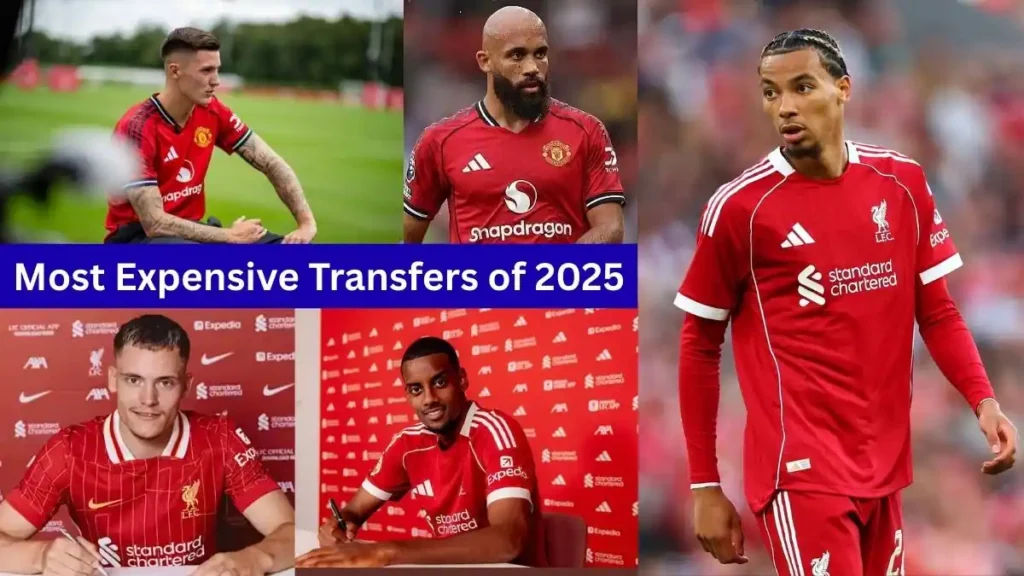
After the record-breaking 2025 transfer window, the 2026 transfer window will follow.
Spending vs. Summer: The January-February window proved significantly quieter than summer 2025. Prominent deals totaled approximately £400-450 million across Europe’s top leagues, compared to the Premier League alone spending £3+ billion in summer. This reflects traditional winter window patterns where squad deficiencies take priority over blockbuster acquisitions.
Strategic Over Desperate: Most signings appeared strategic rather than panic-driven. Manchester City strengthened without urgency. Crystal Palace orchestrated a complex multi-player sequence. West Ham’s purchases reflected survival calculations rather than desperation.
Financial Constraints: PSR (Profit & Sustainability Rules) regulations limited clubs like Aston Villa and others, explaining why loan acquisitions (Douglas Luiz, Christos Mandas) complemented permanent signings.
Contract Dynamics: Multiple signings involved players with expiring contracts or final-year deals, enabling clubs to exploit diminished valuations. Marc Guehi’s summer summer rejection price versus winter £20 million acquisition exemplifies how calendar considerations reshape market values.
Youth Development & Long-Term Planning: Oscar Bobb’s permanent departure from Manchester City to Fulham, coupled with Manchester City’s centre-back succession planning with Guehi, suggests sophisticated long-term squad architecture replacing boom-bust transfer approaches.
Replacement Dependency: Several deals hinged on replacement availability—PSV refused Pepi’s departure without a successor; Crystal Palace sequenced Mateta-Strand Larsen-Johnson acquisitions in deliberate order.